
SEO for Interior Designers That Turns Searches Into Clients
SEO for Trades UK helps interior designers and studios across the UK attract qualified enquiries through targeted local SEO, optimised service pages, and search-friendly portfolios that improve Google visibility.
Team
Driven
Why Your Interior Design Business Is Not Getting Enough Visibility on Google
A visually impressive website isn’t enough to attract clients. If your interior design business isn’t visible for relevant Google searches, potential clients may discover competing studios instead.
Your Interior Design Website Isn't Ranking for Relevant Searches
Your website may look professional but struggle to rank for searches like “interior designer near me”, “luxury interior designers” or “residential interior design services”. Poor keyword targeting, unclear service pages and technical SEO issues can prevent Google from understanding your services and where you operate.
Your Interior Design Portfolio Isn't Attracting Organic Traffic
A beautiful portfolio doesn’t guarantee Google visibility. Without descriptive content covering project types, design styles and locations, along with optimised images and internal links, your portfolio may miss valuable opportunities to rank and attract potential clients.
Competitors Are Outranking Your Interior Design Business
Competing studios may outrank your website through stronger local visibility, detailed service pages, relevant industry backlinks and greater online credibility. Without these competitive advantages, your business may struggle to rank for valuable interior design keywords and attract clients in your target locations.
Your Website Gets Traffic but Few Design Enquiries
High website traffic means little if visitors aren’t looking to hire an interior designer. Targeting high-intent keywords, showcasing relevant projects and providing clear service information and enquiry options can help convert organic visitors into qualified design leads.
How Potential Clients Search for Interior Designers
Understanding interior design search behaviour is essential for choosing the right SEO keywords, website pages and content.
Not every searcher is at the same stage of choosing a designer. Some already know which service they require, while others are comparing studios, reviewing portfolios or researching design approaches.
An effective SEO strategy connects these different searches to the most relevant pages on your website.
Service-Based Interior Design Searches
Service-based searches indicate that someone is looking for a specific professional interior design service.
Examples include residential interior design services, luxury interior design services, commercial interior design services, kitchen interior design services, living room interior designers, interior design consultations and interior space planning services.
These keywords are generally best targeted through dedicated service pages rather than unrelated blog posts.
Each page should explain the relevant service, suitable project types, design process, deliverables and next steps for prospective clients.
Location-Based Interior Design Searches
Many clients prefer an interior designer who understands their local market or can visit their property.
Common searches include interior designers in London, Manchester and Birmingham, interior design studios in Bristol, luxury interior designers in Surrey and “interior designer near me”.
These searches can trigger localised organic results and, where appropriate, Google Maps business listings.
Local SEO helps establish the connection between your design business, its actual location, service coverage and relevant interior design services.
Portfolio and Project-Based Searches
Prospective clients frequently investigate previous work before making contact.
They may search for contemporary residential interior design projects, luxury apartment interiors, period property renovations, modern kitchen design portfolios or commercial office interior design projects.
Detailed portfolio pages allow your website to showcase completed work while providing search engines with context about the project.
Project content should describe genuine work rather than create misleading pages targeting locations or services you have not served.
Research and Comparison Searches
Some potential clients need more information before hiring a designer.
They may research how much an interior designer costs, what an interior designer does, the difference between an interior designer and an interior decorator, how long a project takes or what happens during a consultation.
Helpful answers can demonstrate expertise and guide visitors towards an appropriate design service.
These informational topics should support your commercial interior design pages, not replace their primary purpose.
High-Intent Interior Design Searches
For a design studio seeking new projects, searches involving a specific service, location or hiring requirement often deserve priority.
Our SEO keyword strategy groups related searches according to their meaning and intent, then assigns each group to the appropriate website page.
This helps prevent multiple pages from competing for the same keyword group and keeps your website’s subject matter clearly organised.
Matching Search Intent to the Right Page
| Example search | Likely intent | Appropriate page | Useful next action |
|---|---|---|---|
| Interior designer in Manchester | Local hiring | Genuine location or service page | Enquire about a project |
| Luxury residential interior design | Specialist service | Luxury residential service page | Discuss project requirements |
| How much does an interior designer cost? | Research and comparison | Transparent pricing or cost guide | Explore services or request a quote |
| Period property interior design portfolio | Project evaluation | Relevant completed-project page | View related work or enquire |
| Interior design consultation | Ready to contact | Consultation service or booking page | Request a consultation |
These are examples of intent mapping, not a claim that a given query always produces the same Google results. Actual page assignments should be checked against live search results and your studio’s services.
What Is Included in Our SEO Services for Interior Designers?
Our SEO services help interior designers improve Google visibility, attract potential clients and generate qualified project enquiries. From technical optimisation to portfolio SEO and local search, we focus on strategies that support sustainable business growth.

Interior Design SEO Audit & Keyword Research
We analyse your website, competitor rankings, technical issues and search performance to uncover SEO opportunities. Our keyword research targets high-intent interior design searches, helping us build a focused strategy around your services, locations and potential clients.
How this is applied: Queries are grouped by user intent and mapped to an appropriate existing or proposed URL. For example, searches about residential design services belong with the relevant service page, while searches about fees may be served better by a pricing guide that links to that service.
Local SEO for Interior Designers
We optimise eligible Google Business Profiles, local business listings, service-area information and location-specific website content to strengthen visibility in Google Search and Maps. Our local SEO strategy helps potential clients in your target locations discover your interior design services and contact your studio.
Interior Design Service Page SEO
We optimise your residential, commercial, luxury and other interior design service pages with relevant keywords, compelling content, clear page structure and strategic internal links. Each page targets relevant search intent while helping potential clients understand your expertise and services.
Interior Design Portfolio SEO
We optimise your project portfolios with descriptive titles, relevant project details, location information and internal links. By highlighting property types, design styles and completed work, we help search engines understand your projects while showcasing your expertise to potential clients.
How this is applied: Where supported by the real project, a portfolio entry can identify its property type, design brief, services delivered, location, materials or finishes, and completed outcomes. That project can then link to the corresponding residential, commercial or specialist service page. We do not add project claims or locations that cannot be substantiated.
Image SEO for Interior Designers
We optimise your interior design images with descriptive filenames, accurate alt text, efficient compression and responsive formats. This improves website performance, accessibility and the discoverability of your project photography in Google Search.
Technical SEO for Interior Design Websites
We audit crawling, indexing, page speed, mobile usability and Core Web Vitals to identify issues affecting your website’s performance. We prioritise technical fixes and implement agreed improvements to help search engines access your content and provide potential clients with a smoother browsing experience.
How this is applied: For image-heavy portfolio sites, we check whether important project URLs are indexable, whether images are appropriately sized and whether mobile pages load effectively. Recommendations distinguish urgent crawl or indexation barriers from lower-priority enhancements.
Interior Design Content Strategy
We develop targeted content strategies around interior design costs, consultations, project planning and other relevant client questions. Our approach supports your service pages, strengthens topical relevance and helps attract potential clients researching professional interior design services.
Interior Design Authority & Link Building
We identify opportunities to earn relevant backlinks and industry mentions from interior design publications, architectural websites, reputable directories and professional partnerships. Our approach focuses on strengthening your website’s credibility through legitimate, relevant sources.
SEO Reporting & Enquiry Tracking
We track keyword rankings, organic traffic, Google Search visibility and client enquiries using tools such as Google Search Console and Google Analytics. Clear performance reports show what is improving, where opportunities remain and how your SEO strategy supports business goals.
SEO-Friendly Website Architecture for Interior Designers
A clearly structured website helps visitors navigate your interior design services while making relationships between related pages easier for search engines to understand.
The main interior design page should act as a central destination for your services, with more specific pages supporting individual design specialisms.
Main Interior Design Services Page
Your main Interior Design Services page introduces your studio, core expertise, design approach and primary offerings.
It should help visitors understand your business while directing them towards the most relevant specialist services, completed projects and consultation opportunities.
Individual Interior Design Service Pages
Dedicated service pages can target residential interior design, commercial interior design, luxury interior design, kitchen interior design, bathroom interior design and interior space planning.
Each page should concentrate on one genuine service and the client requirements associated with it.
This provides search engines with clearer information and helps prospective clients find the specific service they need.
Relevant Interior Design Project Pages
Project pages connect completed work to the services used to deliver those projects.
For example, a residential interior design page may link to a luxury apartment interior design project, while kitchen design services may connect to a contemporary kitchen renovation.
Similarly, commercial interior design pages can direct visitors towards relevant office design projects.
These relationships help demonstrate genuine experience and provide supporting information for visitors evaluating your expertise.
Supporting Interior Design Resources
Informational pages help answer questions connected to professional interior design services.
A residential design page might connect to a guide explaining residential interior design costs, while a consultation page can link to content describing what happens during an interior design consultation.
These resources help prospective clients understand the process and explore relevant services before contacting your business.
Internal Linking and Website Navigation
Internal links should help users move naturally between related information.
A residential interior design page might link to completed projects and a consultation guide, while a project page can direct visitors back to the relevant service.
The relationship should follow a logical structure:
Main interior design service → Relevant specialist service, with completed projects and useful guides linked to the services they actually support.
Example of a logical structure:
Parent: Interior Design Services
Specialist child: Residential Interior Design
Supporting evidence: A completed residential renovation project, linked to the residential service page
Supporting resource: A guide to residential interior design costs, linking to the service where appropriate
A completed project does not need to be a child of a guide, or vice versa. Breadcrumbs, descriptive internal links and navigation should reflect the real site structure. Create separate URLs only when the service or topic merits a distinct useful page.
Not every website needs every possible page or level. Your website architecture should reflect your genuine services, completed work and client questions without unnecessary keyword duplication.
Who We Help With Interior Design SEO
Different interior design businesses serve different clients, but they share the need to appear in relevant searches.
We tailor keyword targeting, website content and local optimisation to the services your business actually provides. The right SEO emphasis differs depending on the projects a studio wants, how clients assess its work and the geographic area it serves.
Different priorities: Residential practices may need strong room and renovation portfolios; luxury studios often need detailed evidence of project scope and service standards; commercial practices may need sector-specific case studies and clear project capabilities; independent designers may need a tightly focused local presence; and multi-service studios may need clearer separation between service categories. These priorities guide the audit rather than being applied identically to every website.

Residential Interior Designers
We help residential interior designers reach homeowners searching for professional design services, complete home transformations, individual room redesigns and property renovation support.
Our approach can focus on residential service pages, relevant local search visibility and completed home design portfolios.
This helps communicate the types of residential projects your business handles and the areas in which you work.
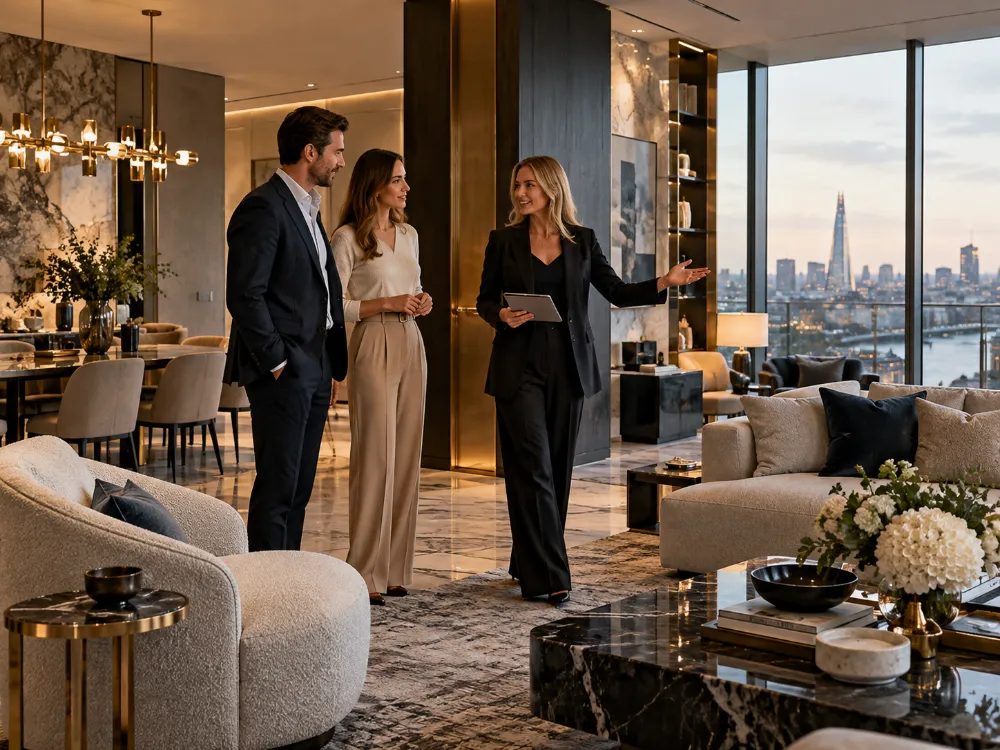
Luxury Interior Designers
Luxury interior design businesses often depend on detailed portfolios, distinctive expertise and client trust.
SEO for luxury interior designers can focus on premium residential services, relevant geographic searches and sophisticated project presentation.
We also develop content that communicates the level of service provided and helps prospective clients evaluate your expertise before making an enquiry.

Commercial Interior Designers
Commercial interior design SEO targets businesses searching for professional design solutions for workplaces, hospitality environments, retail premises and other commercial spaces.
Campaigns can prioritise commercial service pages, sector-specific experience and relevant project case studies.
This helps prospective commercial clients identify whether your studio has experience with their type of project.

Independent Interior Designers
Independent designers may compete with established studios for the same local searches.
Our SEO approach helps smaller practices communicate their specialisms, service areas and professional experience through a focused website structure.
Relevant local targeting, clear service information and well-presented completed work can support discoverability without requiring an unnecessarily large website.

Interior Design Studios and Agencies
Established studios may offer multiple services and operate across several locations.
Their SEO strategy often requires organised service pages, portfolio categorisation, technical improvements and ongoing content planning.
We help structure these elements so each genuine design specialism can become more discoverable without causing unnecessary overlap between website pages.
Local SEO for Interior Designers Across the UK
Location influences how potential clients discover and shortlist interior designers.
We provide SEO services for interior designers targeting clients in their local area, across multiple service locations or throughout the UK.
SEO for Interior Designers in Major UK Cities
Our campaigns can support interior design businesses targeting relevant searches in London, Manchester, Birmingham, Leeds, Liverpool, Bristol, Sheffield and Nottingham.
The strategy depends on where your business genuinely operates and the types of interior design services you provide.
We assess local search demand, existing website content and relevant opportunities before recommending location-focused optimisation.
SEO for Regional and Specialist Interior Design Markets
We also support relevant targeting opportunities in Leicester, Newcastle, Oxford, Cambridge, Brighton, Reading, Surrey and Essex.
Location targeting should reflect actual service coverage, realistic consultation arrangements and relevant project experience.
Our objective is to connect your business with appropriate geographic searches rather than generate unnecessary location pages.
How Location Strategy Can Differ
For a studio physically based in Manchester, we might prioritise accurate business details, relevant Manchester searches and projects that genuinely demonstrate local work. For a London luxury practice covering selected boroughs, we would assess whether a broader London service page or a smaller number of genuinely differentiated area pages best match how clients search.
In both cases, a page should explain real service coverage, consultation arrangements and relevant experience—not simply swap one city name for another.
These are illustrative strategic scenarios, not claims about work completed for named clients.
Genuine Location Targeting and Local Relevance
We assess where your interior design business operates, which locations you realistically serve and how clients search for designers in those areas.
A studio physically based in Manchester may benefit from optimising its business information and website for relevant Manchester searches.
A residential interior designer serving selected parts of Greater London may need a different strategy based on actual project coverage and local demand.
Where dedicated location pages are appropriate, they should contain meaningful details about service coverage, relevant projects, consultation arrangements and genuine local experience.
Our focus is on legitimate geographic relevance, not creating dozens of near-identical location pages.
Our Interior Design SEO Process
Our structured SEO process focuses on understanding your business, improving Google visibility and attracting qualified interior design enquiries through measurable, ongoing optimisation.
Understand Your Interior Design Business
We assess your design services, ideal clients, target locations and business goals to develop an SEO strategy aligned with the residential, commercial or luxury interior design projects you want to attract.
Working output: A documented list of priority services, actual operating locations and the types of enquiries that matter to your business.
Audit Your Website and Competitors
We analyse your website’s search performance, technical SEO, service pages and portfolios while reviewing competing interior design studios. This helps us identify ranking opportunities, website weaknesses and priority improvements.
Build Your Interior Design Keyword Strategy
We research high-intent interior design keywords based on your services, target locations and client search intent, prioritising searches linked to hiring decisions. Each keyword group is mapped to relevant pages to improve search targeting and avoid unnecessary keyword overlap.
Working output: A keyword-to-URL plan that identifies pages to retain, improve, consolidate or create, with the reason for each recommendation.
Optimise Your Important Pages
We optimise priority service pages, project portfolios and location content through on-page SEO, relevant keywords, metadata, internal linking and technical improvements. We also strengthen service information and enquiry pathways to help turn relevant visitors into potential clients.
Improve Local Visibility and Authority
We strengthen local SEO through eligible Google Business Profile optimisation, accurate business listings and relevant location content. We also identify credible industry backlink opportunities to support your online authority.
Measure, Refine and Expand
We monitor keyword rankings, organic traffic, search visibility and client enquiries to evaluate performance. These insights guide ongoing improvements, content priorities and opportunities to expand your interior design SEO strategy.
Working output: A progress report separating work completed, movement in relevant search visibility, tracked enquiry actions and next priorities. The precise deliverables depend on your agreed campaign scope and available data.
Common SEO Mistakes Interior Designers Should Avoid
Many interior design websites encounter similar SEO problems that affect how search engines understand the business and how visitors interact with its content.
Using One Page for Every Interior Design Service
Combining residential design, commercial design, kitchen design and every other offering into one short page can make it difficult to explain each service properly.
Where different services have distinct search intent, dedicated pages provide clearer information about project requirements, design processes and relevant experience.
Publishing Portfolios Without Project Context
A portfolio containing only photographs and project names may not explain the type of property, design work completed or its relationship to your services.
Adding original descriptions, genuine project information and relevant internal links helps visitors evaluate your expertise while giving search engines useful context.
Targeting Unrelated Interior Design Keywords
Ranking for broad decorating inspiration searches is not necessarily valuable if your objective is to attract clients looking to hire a professional interior designer.
Keyword selection should reflect your genuine services, target locations and the types of enquiries you want to receive.
Ignoring Local Interior Design Searches
Interior designers serving local clients can miss relevant opportunities when their websites and business information fail to communicate their actual operating areas.
Local SEO should accurately represent where you work through relevant website content, consistent business information and eligible local business listings.
Uploading Unoptimised Portfolio Images
Large image files can slow down important website pages, particularly on mobile devices.
Portfolio images should be appropriately sized and compressed while maintaining the visual quality needed to showcase professional interior design work.
Creating Duplicate City or Service Pages
Replacing one city name with another across otherwise identical pages rarely provides meaningful value.
Every indexable service or location page should have a distinct purpose and provide useful information about genuine services, relevant experience or geographic coverage.
Neglecting Enquiry Tracking
Without suitable tracking, it becomes difficult to understand whether organic search visibility is contributing to design enquiries.
SEO reporting should connect relevant search performance with meaningful business actions wherever reliable measurement is possible.
Your First 90 Days of Interior Design SEO
Our 90-day SEO strategy focuses on building a strong foundation, improving search visibility and creating opportunities for qualified client enquiries.
Days 1–30 — SEO Audit & Strategy
We audit your website, analyse competitors, research high-intent interior design keywords and identify technical and local SEO opportunities.
Key Deliverables: SEO audit, keyword strategy, competitor analysis and prioritised action plan.
Days 31–60 — Website & Portfolio Optimisation
We optimise key service pages, project portfolios, images, internal links and local SEO elements to improve search relevance and user experience.
Key Deliverables: Optimised service pages, enhanced portfolios and priority technical fixes.
Days 61–90 — Content, Authority & Tracking
We develop targeted content, identify relevant backlink opportunities and track rankings, organic traffic and client enquiries to refine your strategy.
Key Deliverables: SEO-focused content, performance insights and a next-stage growth plan.
What Results Can You Expect After 90 Days?
Within 90 days, you can expect foundational SEO improvements and clearer performance insights. Ranking, traffic and enquiry growth vary based on competition and website condition, with stronger results often requiring ongoing optimisation.
How We Measure Interior Design SEO Results
Meaningful interior design SEO reporting should show what changed on the website, whether relevant search visibility improved and whether that activity contributed to qualified project enquiries.
This section explains our measurement framework; it is not a published client case study. Real case studies should only be presented when we have a documented client, timeframe, baseline and verified outcome data.
Record the Starting Position
An interior design business may have an established website and professional project photography but limited visibility for its core services.
Common problems include insufficient service-page detail, portfolio pages without descriptive content, weak internal linking and limited geographic relevance.
Technical performance issues and poor visibility for commercial interior design searches may also prevent potential clients from discovering important pages.
Document the SEO Improvements
A campaign may begin by mapping high-intent keywords to relevant interior design services and improving the structure and content of commercial landing pages.
Further work can include adding genuine portfolio details, strengthening links between services and completed projects, addressing technical SEO issues and improving eligible local business listings.
Enquiry tracking and organic search measurement help establish whether these improvements contribute to meaningful business outcomes.
Compare Results With the Baseline
Performance should be assessed against a documented baseline.
We examine changes in relevant organic search visibility, non-branded search impressions and clicks, priority service-page performance and organic visits to portfolio pages.
Tracked enquiries from organic search and changes in local search visibility can provide further evidence of campaign progress.
For each reporting period, compare the same metrics and pages with a documented baseline, noting seasonality, site changes and other influences where relevant.
A useful report can connect four elements:
Ranking improvements alone do not show whether the enquiries are suitable for the studio’s services, locations or project budget.
The objective is to demonstrate the commercial impact of SEO work rather than rely on unsupported ranking claims.
What Is Included in Your Interior Design SEO Campaign Scope?
Every interior design business has different SEO requirements. Your campaign is tailored to your website, competition, target locations and business goals, with clearly defined deliverables, priorities and responsibilities.
Initial SEO Strategy & Planning
Your campaign includes an SEO audit, competitor analysis, high-intent keyword research and keyword mapping for priority interior design pages. You receive a prioritised implementation plan outlining key opportunities, recommended improvements and campaign objectives.
On-Page & Website Optimisation
Depending on your agreed package, deliverables may include optimised service pages, portfolio content, metadata, internal links and priority technical fixes. Your campaign scope specifies which pages and improvements are included.
Local SEO
Where applicable, your campaign may include Google Business Profile optimisation for eligible businesses, business listing updates and relevant location-page improvements. Deliverables focus on your actual service areas and agreed local SEO priorities.
Content & Authority Development
Where included in your package, deliverables may cover SEO-focused content, portfolio enhancements, relevant business citations and industry backlink outreach. The agreed scope defines content requirements and authority-building activities without guaranteeing backlinks or placements.
SEO Reporting & Campaign Deliverables
You receive performance reports covering organic visibility, keyword rankings, traffic and tracked client enquiries where data is available. Reports summarise completed work, progress against objectives and upcoming priorities. Your proposal also identifies excluded services, such as paid advertising, new photography, website redesigns and development outside the agreed scope.
Why Choose SEO for Trades UK for Interior Design SEO?
Interior design SEO needs to connect the visual quality of your work with the way clients search for professional design services.
A generic SEO approach can overlook the importance of project portfolios, specialist design categories, local service areas and the client’s decision-making process.
At SEO for Trades UK, our approach is organised around these specific requirements. The difference we aim to deliver is a clear connection between the search someone makes, the page they land on, the project evidence they see and the enquiry action they can take.
Rather than judging success by traffic alone, we assess whether the right visitors can understand your services and contact you.

How Our Approach Works in Practice
For a residential interior designer targeting renovation enquiries, we would first identify which searches imply an intention to hire, such as a residential interior designer in the studio’s actual service area.
We would then assess the residential service page, connect it to genuinely relevant completed-project pages and review whether the consultation form records qualified enquiries.
The exact changes would depend on the site’s existing performance, genuine project evidence and agreed campaign scope.
What you can ask to see: A sample keyword-to-page map, an example of portfolio-page recommendations, a prioritised audit and the enquiry metrics included in reporting. These are examples of useful campaign outputs, not claims that a particular client has already achieved specific results.
A Strategy Focused on Interior Design Services
We target searches connected to the professional interior design services your business provides.
Rather than pursuing unrelated traffic simply to increase visitor numbers, we prioritise relevant service searches, client requirements and genuine hiring intent.
SEO That Supports Your Portfolio
Your completed interior design projects play an important role in demonstrating expertise and building trust.
We organise and optimise portfolio content so it supports relevant service pages while remaining useful to prospective clients reviewing their work.
Clear Service and Location Relevance
We structure website pages around genuine interior design specialisms and operating locations.
This helps communicate what your business offers and where it works without unnecessary keyword duplication or repetitive location pages.
Search Visibility Connected to Enquiries
Our SEO approach prioritises search performance indicators relevant to professional service businesses.
These include visibility for meaningful search queries, performance of important landing pages and tracked enquiry actions.
The objective is to support discoverability among people who may require your design services.
A Practical, Prioritised Approach
We plan SEO improvements according to your website’s current condition, business priorities and the work likely to provide a useful foundation for further growth.
Our aim is to make your interior design website easier to discover, understand and navigate.
How Much Does SEO for Interior Designers Cost?
The cost of SEO for interior designers varies according to business goals, competition, website condition and the amount of work required. We provide a tailored quote rather than suggesting one fixed fee will suit every studio.
How the quote is structured: Your proposal should make clear whether work is charged as an initial project, an ongoing monthly service or a combination of the two, and identify the specific pages, deliverables, reporting and technical support included. No price is stated here because an accurate quote depends on the agreed scope.
A small independent interior designer targeting one local area may need a different campaign from an established design studio competing across several UK locations.
Website Size and Technical Condition
The number of existing pages, website structure and technical condition influence the amount of SEO work required.
A website needing significant technical fixes, new service pages and portfolio restructuring will generally require more initial work than a well-organised website with a strong technical foundation.
Target Locations and Geographic Competition
Targeting one local area can require a different level of research and optimisation from competing across multiple cities or broader UK searches.
Your campaign scope should reflect genuine service coverage, relevant local demand and the competitive landscape in your target locations.
Interior Design Specialisms
A studio offering residential interior design, luxury interiors, commercial design and other distinct services may need separate page optimisation for each category.
The number of genuine specialisms and the depth of information required can influence the campaign workload.
Content and Portfolio Requirements
The amount of original service content, completed project information and supporting material required affects the overall SEO scope.
Businesses with extensive portfolios or underdeveloped service pages may need additional content planning, writing and optimisation.
Competitive Search Landscape
Highly competitive interior design searches may require more extensive improvements to content quality, website authority, technical foundations and ongoing analysis.
The level of competition should be assessed alongside your website’s existing performance and business objectives.
What Your Interior Design SEO Proposal Includes
Your tailored proposal should explain the campaign objectives, priority services and locations, planned SEO work and agreed deliverables.
It should also establish reporting arrangements, responsibilities, monthly or project-based costs, the proposed engagement period and any separately priced activities.
Ask which tasks are included each month, what requires a separate quotation and how additional pages or locations would be costed.
We recommend choosing an SEO campaign based on the work your business actually needs rather than promises of guaranteed rankings.
Related SEO Services That Support Interior Design Businesses
Interior design SEO may involve several specialist activities working together to improve the same website.
Local SEO for Interior Designers
Improve your visibility for relevant searches in the locations your design business genuinely serves.
Local SEO supports your wider campaign through accurate business information, geographic relevance and appropriate Google Business Profile optimisation.
Technical SEO for Interior Design Websites
Improve the technical foundations that help search engines discover, crawl and understand your important interior design pages.
Technical SEO also supports the performance, accessibility and usability of image-heavy portfolio websites.
SEO Content for Interior Designers
Develop useful service information, original project descriptions and supporting resources connected to your design expertise.
A structured content strategy strengthens the relationships between your commercial pages and relevant client questions.
Website SEO Audits for Interior Design Studios
Identify technical issues, service-page gaps, unclear website architecture and other barriers that may limit organic search performance.
An SEO audit helps establish practical priorities for a focused interior design campaign.
These activities form part of the wider SEO for Interior Designers strategy rather than unrelated marketing services.
Frequently Asked Questions About SEO for Interior Designers
SEO for interior designers improves your website’s visibility in Google Search, helping potential clients discover your services, explore your portfolio and enquire about projects.
SEO attracts potential clients actively searching for interior design services, driving relevant traffic and increasing opportunities for qualified leads and project enquiries.
SEO typically takes 3–6 months to show meaningful progress, although results vary based on competition, website condition and the effectiveness of your SEO strategy.
High-intent keywords include “interior designer near me”, “residential interior designer”, “luxury interior design services” and “interior designer in [city]”. The best keywords depend on your services and target locations.
Local SEO helps your studio appear in relevant location-based Google searches and Maps, making it easier for nearby clients to discover your services and contact your business.
Yes. Portfolio pages featuring detailed project descriptions, relevant location information and optimised images can rank for searches related to your design expertise.
SEO costs depend on your website’s condition, target locations, market competition and required services. A tailored strategy should prioritise improvements that support qualified enquiries.
Yes. Well-structured service pages, detailed portfolios and credible business information can improve discoverability in AI-powered search experiences, although inclusion is never guaranteed.
Not always. Separate pages are useful when the service meets a distinct client need and you can provide substantive information or evidence. Similar offerings may be clearer on one well-organised page rather than several thin or competing pages.
Useful inputs include genuine project descriptions, property types, services delivered, approved images, location information where appropriate and permission to publish relevant details. We work with verified project information rather than inventing portfolio claims.
No responsible SEO campaign can guarantee a specific Google position or lead volume. Performance depends on competition, the site’s starting point, ongoing improvements and the quality of the website’s enquiry journey.
Your agreed scope should clearly state priorities, pages or technical issues being addressed, deliverables, reporting frequency and how relevant enquiries will be measured. The exact work and reporting detail are confirmed in your proposal.
Get More Interior Design Enquiries With a Targeted SEO Strategy
Potential clients are searching Google for interior design services. Is your business visible when they’re ready to hire?
At SEO for Trades UK, we help residential, luxury and commercial interior designers improve Google visibility, attract qualified leads and generate project enquiries through targeted SEO strategies.
From service-page optimisation and portfolio SEO to local search and technical improvements, we help connect your expertise with clients actively seeking interior design services.
Make your website more visible to the clients you want to attract.