
Website Design For Plasterers That Wins More Jobs
Show Your Work. Explain Your Services. Make Enquiries Easier.
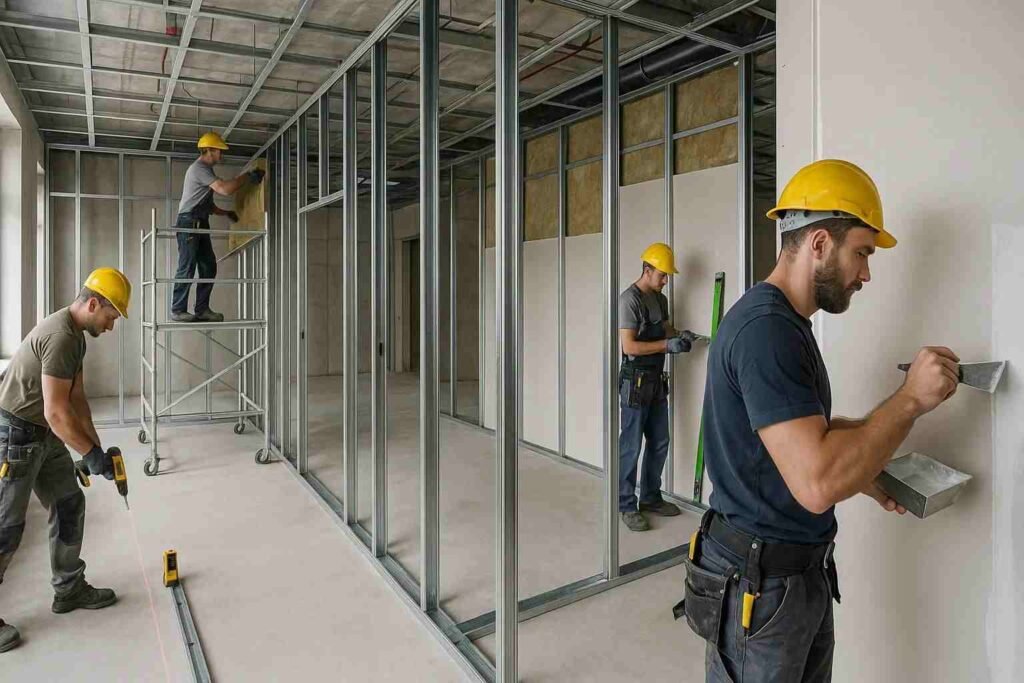
SEO for Trades helps plasterers turn website visitors into enquiries. We design and build websites that showcase your services, coverage areas and completed projects, making it easy for potential customers to choose you and get in touch.
Whether you need your first website or a redesign, we focus on the work you want to attract.
Team
Driven
Helped
on Google
Generated
Rate
SEO
Helped
on Google
Generated
Rate
SEO
A Website Built Around the Jobs You Want
A homeowner needing a ceiling repair and a contractor seeking a dry lining subcontractor need different information before they enquire. We build your website around those needs.
For domestic customers, we make your services, project photos and coverage easy to find, with a straightforward way to send job details. For commercial customers, we highlight relevant project experience and the contracts you accept, with a clear way to submit drawings, specifications and tender deadlines.
We identify your priority services and customers first, so every page supports the work you want to attract.

What Your Plasterer Website Needs
We recommend the pages and features around your services, available project evidence and enquiry process. Before work begins, your quotation confirms the included pages, features, search foundations, content responsibilities and launch work, alongside optional extras and ongoing charges.
A Clear Homepage
Explains what you do and where you work, so visitors quickly see whether you suit their job.
Service Pages and Project Galleries
Help customers assess whether you handle their type of plastering work.
Coverage, Business Details and Credentials
Clear coverage information and verified credentials support the customer’s decision.
Mobile Contact and Enquiry Forms
Mobile contact options and enquiry forms make the next step straightforward.
Service Pages That Reflect Your Plastering Business
“All aspects of plastering” tells customers little about whether you handle their particular job. We organise your service information around the work you actually provide, giving distinct services separate pages where there is enough useful content and project evidence. Closely related services can share a page, keeping the website helpful and straightforward to navigate.
- Skimming, Re-Skimming and Plaster Repairs
Show customers whether you take on individual rooms, ceilings, renovation projects or full properties. Relevant examples explain the difference between patch repairs, a fresh skim and more extensive re-plastering, while clear enquiry prompts encourage customers to describe the existing surface, affected area and work required.
- Plasterboarding and Dry Lining
Present your boarding, dot-and-dab, partition and finishing services according to your capabilities. We explain the work clearly for domestic customers and include relevant project experience, capacity information and a way to submit specifications where you also serve commercial buyers.

- External Rendering
When rendering is a substantial part of your business, it deserves its own space. Explain the systems you install, the properties you work on and how you assess each project, supported by full-elevation photographs that show the scale of the work and closer views that reveal the finish.
- Lime and Specialist Plasterwork
Specialist services need specific evidence. For lime plastering, restoration or decorative finishes, we show the project type, your contribution and the completed details so customers can assess your experience with work similar to their own.
- Useful Coverage, Not Keyword Pages
The aim is useful coverage of your services—not a separate page for every keyword variation.
Project Galleries That Show More Than Finished Walls
Project photographs are more useful when customers understand what they show. We pair your images with details about the customer’s requirements, the service provided, the property type and the general location where appropriate.
Internal plastering examples might show the original surface, rooms completed and details around corners and reveals; rendering projects might show the original elevation, installed system and finished exterior. Each example connects to the relevant service page, using your authorised photographs and approved project details. Any illustrative images are clearly labelled.

Customer Requirements
What the customer needed and the condition of the surface before work began.
Service Provided
The plastering, boarding or rendering work you carried out.
Property Type
The kind of property, so similar customers can relate to the project.
General Location
Where appropriate, linking the project to the areas you cover.
Make It Easy to Send a Useful Enquiry
Your enquiry form should collect enough information to assess a job without becoming difficult to complete.

Domestic Job Details
Contact details, a job postcode, the required service, a short description and photographs where uploads are included.

Telephone and WhatsApp
Visible telephone links provide another contact option, with WhatsApp available where it suits your working process.

Commercial Enquiries
A separate commercial enquiry route can collect project scope, drawings, specifications and tender dates.
Tested Before Launch
We agree the fields and delivery arrangements before the build, then test that enquiries reach the intended destination.
Show Where You Work
Customers should quickly understand whether you cover their area. We make your operating area clear and connect it to relevant services and projects, explaining any differences in travel distance according to job size. A ceiling repair may have a smaller service radius than a substantial rendering project or commercial contract.
Where there is distinct local information, such as completed projects or different service availability, dedicated location pages can help; otherwise, a clear coverage page can give customers the answer they need.
Designed for Customers Using Their Phones
Customers using a phone need to assess your work and contact you without struggling through the website. We plan mobile layouts around readable service information, useful project photographs and clear contact options.
Our checks cover navigation, text, image display, telephone buttons, form instructions and the journey from a service page to a completed enquiry, so visitors can find what they need and send their job details successfully.
Search Foundations Included in the Build
We build a clear structure that helps customers and search engines understand your website. The agreed search foundations cover:
- Descriptive page titles and logical headings
- Crawlable internal links
- Appropriate indexing settings and canonical URLs
- An XML sitemap
- Prepared images with suitable alternative text
- Relevant structured data supported by visible content
- Planned redirects where existing URLs change
These foundations support discovery but do not guarantee rankings or replace ongoing SEO. For continuing support, explore our SEO for plasterers service, or see our wider website design for trades offering.
Replacing an Existing Website?
A redesign starts by identifying what is already useful. We review your existing pages, service information, photographs and enquiry routes, using performance data where available to guide what to retain and improve.
Review What Already Works
Existing pages, service information, photographs and enquiry routes are reviewed, with performance data used where available.
Plan Content, URLs and Redirects
Before design begins, we define the content worth keeping, layouts that need updating, URLs to preserve and redirects required for changed addresses.
Confirm Access and Responsibilities
We confirm domain, hosting and access arrangements, alongside content rights and migration responsibilities, giving the project a clear starting point.
How Your Website Project Works
- Define Your Services and Priorities
Tell us what you do, where you work and which projects you want more enquiries for. Share your existing website, available photographs and business information so we can plan around your priorities.
- Agree the Structure and Price
We recommend the pages and features your website needs, then provide a quotation confirming content responsibilities, costs, milestones and ongoing arrangements.
- Review the Design and Content
We bring your services, project evidence and contact options into the agreed design. You review the wording, layouts and business details before launch.
- Test and Launch
We check navigation, mobile layouts, telephone links, enquiry delivery and the agreed search settings. For redesigns, we also check retained URLs and required redirects.
- Complete the Handover
We confirm your access, editing arrangements and ongoing responsibilities, with any agreed training focused on the updates you expect to make.
How Much Does a Plasterer Website Cost?
Your website price depends on the pages, content and functionality your business needs. A compact site presenting core services has a different scope from a contractor website with multiple service groups, detailed project studies and tender enquiries.
Your quotation also confirms payment stages, VAT treatment and exclusions. To request a scoped price, send your current website if you have one, your main services, operating area and required features.
What Your Quotation Separates
Initial Project Work
Planning, design, content, features, migration and handover.
Ongoing Costs
Hosting, domain renewals, maintenance, software licences and support.
Frequently Asked Questions About Plasterer Website Design
Do I Need Separate Pages for Skimming, Rendering and Dry Lining?
Separate pages are useful when services meet different customer needs and have enough distinct information and project evidence. We recommend the structure around your business, combining overlapping services where one complete page provides a clearer answer.
What Do I Need to Supply?
Start with your service list, operating area, contact details and available project photographs. We also agree who prepares the wording, which reviews you have permission to publish and which credentials can be verified, with responsibilities confirmed in your quotation.
Can You Build the Website If I Have Limited Photographs?
Yes. We review your usable photographs and identify gaps before the build. A small selection of relevant images can support your service information, with further projects added as suitable material becomes available.
Can Customers Upload Photographs of Their Job?
Photograph uploads can be included in the agreed scope, with file types, size limits and delivery arrangements defined before the build. Alternatively, a simpler form can collect initial job details, with photographs requested during follow-up.
Can I Update the Website Myself?
Editing access and training can form part of your project. Your quotation confirms the platform and the updates you will be able to make, such as adding project photographs or changing service information.
Who Controls the Website and Domain?
Your project agreement explains domain control, administrator access, content rights and any software or licence restrictions. Hosting and support arrangements are also confirmed so you understand your access and responsibilities before commissioning the website.
How Long Will the Website Take?
We confirm delivery milestones after reviewing the page count, features and available content. Your schedule explains what we need from you and when feedback is required to keep the project moving.
Does the Website Include Ongoing SEO?
The build includes the agreed search foundations. Continuing keyword research, content development and local visibility work have a separate scope. See our SEO for plasterers service for ongoing support.
Let’s Plan Your Plasterer Website
Tell us your main services, operating area and the work you want to attract. Share your current website, if you have one, and your available project photographs. We will use those details to recommend a page structure and prepare a quotation covering the build and ongoing arrangements.